
Three Practical Things AI-Era Investors Need. How Does Estonia Measure Up?
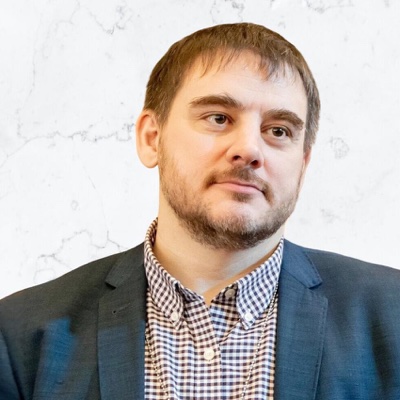 Tõnis Vare, CEO of the Estonian Electrical Industry Association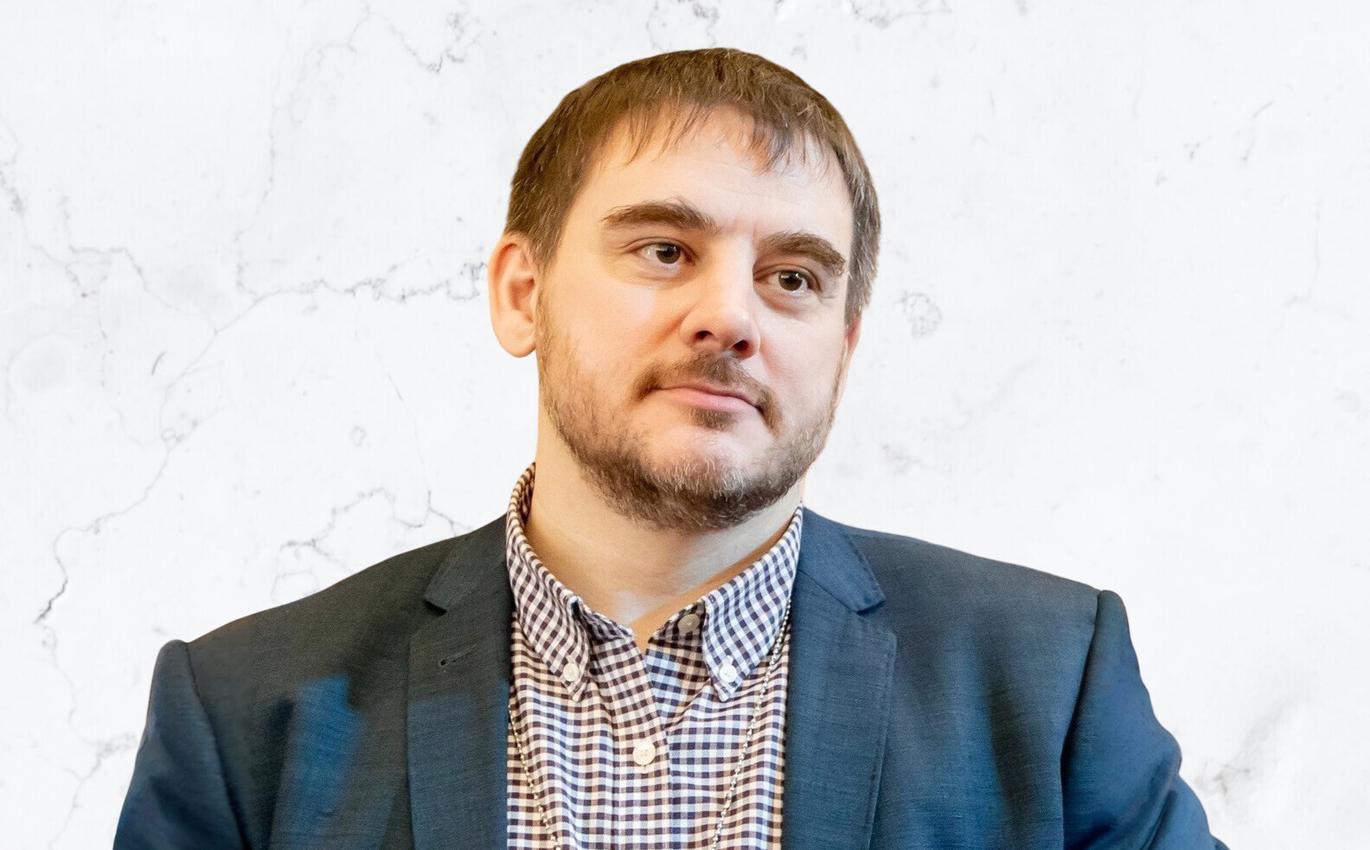
The structural problem of Estonia's energy market is its small size. A small market means larger price swings and a more difficult investment environment. Many energy projects depend on long-term power purchase agreements or mechanisms that provide price stability. In a small market, concluding such agreements is harder, because there aren't large enough, long-term buyers who could provide producers with steady demand. The topic is unpacked by Tõnis Vare, CEO of the Estonian Electrical Industry Association.
Increasing electricity consumption in Estonia is difficult, but the system's potential is greater than current usage. While Estonia's electricity consumption is around 8 TWh per year, the system could serve a significantly larger volume. Which industry would drive that growth?
AI-based data centres — AI factories — are one of the few new industries genuinely on the horizon right now. In the AI era, it matters more and more where computing power and the energy it requires are located.
The world's largest technology companies are currently investing hundreds of billions of euros in next-generation AI infrastructure. Giant data centres are being built, power grids developed, and regions sought where there is enough energy, strong connections, and a stable regulatory environment. Countries are competing over where the next big AI data centres will be built.
Such AI factories are large and stable electricity consumers that use energy around the clock. This consumption profile is well suited to concluding long-term power purchase agreements and helps finance new energy projects. For financial institutions, predictable cash flow is the most important thing. When a producer has a long-term buyer, financing the project becomes significantly easier. The presence of a single large consumer can open the way to several new energy projects and grow the entire market.
Stable consumption helps balance a system where the share of renewable energy is growing. Wind and solar production are variable, and the system needs consumers who can use energy continuously. For Estonia's small energy market, this is especially important. The larger the market's total volume, the easier the system is to manage, and the greater the motivation to invest in both production and grid development.
Estonia isn't operating in a vacuum here. If our neighbouring countries move quickly ahead and Estonia stays on the sidelines, investments, expertise, and value chains move to other countries. In that case, what reaches Estonia is mainly growth in regional energy demand and a higher electricity price.
In the AI era, data centres are becoming strategic infrastructure. Large computing power is a critical resource for developing artificial intelligence, data analysis, scientific simulations, and cloud services. Where computing power is located, investments and new technology companies will also start to emerge.
A broader value chain forms around data centres, from hardware maintenance and cooling systems to grid infrastructure and technical services. New services, technology companies, and investments begin to appear around a large consumer. If computing power is located here, more collaboration also arises between universities, research institutions, and companies.
For Estonia, this opportunity is especially logical. We don't have a very large labour reserve, and Estonia's economic model is better suited to capital- and technology-intensive industry. At the same time, Estonia has strong IT expertise, a functioning digital state, and good technical capability. Developing AI infrastructure fits naturally with Estonia's development logic to date.
Greater added value arises when skills, research and development, and the capability of local companies grow alongside the infrastructure. In the AI era, computing power is becoming a basic capability like electricity or the internet. If the infrastructure is located in Estonia, the likelihood also grows that more research and development, new technology companies, and higher-value-added jobs will emerge here.
Investors look at very practical things: whether there is enough energy, whether the grid connection works, and whether the regulatory environment is stable. Their choices are influenced by investment certainty.
Estonia's strength could be functioning energy infrastructure, good IT expertise, and a location near Northern Europe's data networks. After synchronisation with the Continental European frequency area, it is possible to add both new production and new consumption to the system. In several regions, substations have already been built with very large capacity, and the system's potential is greater than current usage.
Bringing such investments to Estonia requires conscious decisions. What's needed is a competitive energy price, a strong power grid, a faster planning process, investment certainty, and support for research and development.
If these conditions are created, AI factories could become one of the most important sources of economic growth for Estonia's next decade. Where computing power emerges, investments and new value chains ultimately follow. If Estonia wants to maintain its position as a digital state in the AI era too, physical infrastructure must emerge alongside the software — energy, computing power, and AI infrastructure.
This article was originally published on Geenius.